Office Relocation Services in Bayswater
Moving a business is never just about boxes and trucks. It is about keeping your work flowing, protecting equipment, reducing downtime, and making sure your team can settle into the new workspace with as little disruption as possible. That is exactly why professional Office Relocation Services in Bayswater are so valuable for local businesses, whether you are shifting a compact suite near the commercial centre, moving a growing team into larger premises, or coordinating a staged relocation across multiple departments.
Bayswater is a busy area with a mix of industrial pockets, retail strips, offices, warehouses, strata workplaces, and small professional suites. That mix creates unique moving challenges: tight loading zones, shared car parks, limited lift access, busy roads at peak times, and the need to work around neighbouring tenants. A local office relocation team understands those conditions and plans accordingly. The right move is not only about lifting furniture; it is about careful preparation, efficient coordination, and practical local knowledge.
If you are considering an office move in Bayswater, the best time to start planning is before the pressure builds. A well-organised relocation can protect sensitive items, reduce lost work hours, and help you transition into the new space with confidence. Request a free quote, discuss your timeline, and get a plan that fits your business needs.
Why local office moving support matters in Bayswater

Choosing a team that works regularly in and around Bayswater can make a noticeable difference. Local crews are familiar with common access challenges, typical building layouts, and the practical realities of moving in an area where commercial and residential traffic often overlap. That local familiarity can save time on the day and reduce avoidable stress.
For businesses in Bayswater, timing is often critical. You may need to move after hours, over a weekend, or in phases so your staff can keep serving customers or clients. A professional relocation service can build around your operating schedule rather than forcing your team to adapt to a generic moving process. This is especially useful for offices near shared business parks, transport corridors, and mixed-use buildings where access windows are limited.
Another benefit is coordination. Office moves often involve more than transporting desks and chairs. Computers, monitors, filing systems, printers, archive boxes, meeting room furniture, and specialist items all need a clear plan. A local team can help map out the sequence so your assets are packed, moved, and placed where they belong without unnecessary backtracking. For many Bayswater businesses, that level of organisation is what turns a stressful relocation into a manageable project.
Who our office relocation service is designed for

Office relocation services are useful for many types of local customers. Some businesses are upsizing because the team has grown. Others are downsizing to reduce overheads or moving into a more practical layout. Some relocate because they are consolidating several sites into one, while others need a staged move to keep their operations running throughout the changeover.
This service is suitable for a wide range of Bayswater workplaces, including professional offices, consultancies, trades offices, medical administration spaces, education or training rooms, creative studios, strata offices, retail back offices, and warehouse-based administration areas. Whether your workplace has a few essential desks or a large multi-room setup, the process should be tailored to your items, your layout, and your timeline.
We also support businesses that have specialised moving needs, such as businesses with heavy office furniture, secure document storage, electronics that require careful handling, or a combination of office and light commercial contents. If your move includes fragile items, shared equipment, or valuable records, a methodical relocation plan matters even more. The goal is not just to move everything, but to move it correctly.
What is included in an office relocation

Every move is different, but most office relocation services involve a structured set of tasks designed to keep the process efficient and orderly. A typical move may include pre-move planning, packing support, furniture disassembly, safe loading, transport, unloading, and placement in the new office according to the floor plan or room labels.
Depending on your requirements, the service can also include moving office equipment, handling filing cabinets, shifting IT peripherals, protecting desks and conference tables, and moving supplies between rooms or floors. Some businesses also need help with internal relocation, such as rearranging furniture within the same building or moving teams from one level to another without interrupting daily work.
Common inclusions may involve:
- Pre-move consultation and move planning
- Packing materials and professional packing support
- Labelling systems for departments, rooms, and equipment
- Disassembly and reassembly of standard office furniture
- Careful loading and transport of office contents
- Placement of furniture and boxes at the new location
- Basic setup assistance for desks, chairs, and workstations
Some businesses prefer a full-service move, while others only need transport on moving day. A flexible local team can work with your level of preparation and the amount of support you want.
How the office relocation process works

A smooth office move usually starts with a detailed conversation about the size of the workspace, the type of items being moved, access at both sites, and your preferred timeframe. This early planning stage helps identify potential issues before moving day arrives. For example, if the current office has limited parking, if the new site has narrow access, or if you need staged delivery to different rooms, the move plan can be adjusted early.
From there, the relocation is typically broken into clear steps. First, items are sorted so that only the right equipment and furniture are moved. Then packing materials are used to protect documents, monitors, and breakable items. Furniture may be dismantled if required. On the day of the move, the team loads items carefully, transports them securely, and places them in the correct areas at the destination. If requested, basic reassembly and setup are completed so the office can function again as quickly as possible.
A well-run office relocation should feel organised from start to finish. There should be clear communication about arrival times, access arrangements, and the move order. If your business is staying operational during the transition, the moving plan can be staggered so that essential departments are relocated first and less critical items are moved later. That kind of flexibility is especially helpful for Bayswater businesses that cannot afford long interruptions.
Planning around local access conditions
Bayswater properties can vary a lot from one street to the next. Some offices have straightforward driveway access and good loading areas, while others sit in shared commercial complexes with strict rules around lift bookings, delivery windows, or shared parking. A local moving team can plan around those conditions, which may include:
- Restricted loading zones
- Shared car parks and limited bays
- Narrow stairwells or corridor access
- Lift booking requirements in multi-level buildings
- Busy roads and peak-time traffic around business districts
That practical awareness can reduce delays and help the day run more smoothly. It is one of the reasons many local customers prefer office relocation services in Bayswater rather than a one-size-fits-all option.
Preparing your office for the move
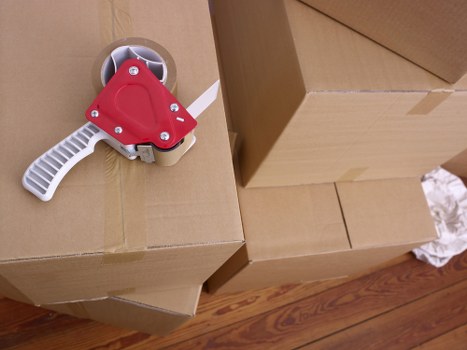
Good preparation can make a major difference to the outcome of any office relocation. Even if you are using a full-service moving team, it helps to organise your contents in advance so the move is faster, clearer, and easier to unpack. A simple preparation process can also reduce the risk of missing items, misplaced files, or confusion about where things belong in the new office.
It is a good idea to nominate one person or a small team internally to oversee the move. That person can confirm what is being moved, what is being discarded, what stays behind, and which departments need to be unpacked first. This avoids mixed messages and helps the relocation team work more efficiently on the day. If your business has multiple workstations or shared equipment, a labelled plan can save a surprising amount of time.
Preparation checklist:
- Back up important digital files before moving day
- Label boxes by department, person, or room
- Set aside essential items needed for the first day in the new office
- Disconnect and secure equipment where appropriate
- Remove personal items from desks and storage areas
- Notify staff of the moving schedule and any access changes
- Clear walkways and loading areas where possible
- Identify fragile, confidential, or high-value items in advance
If your move includes confidential documents, it is sensible to separate them from general office contents and mark them clearly. Likewise, if you have IT hardware, telecom equipment, or specialist items, let the moving team know early so they can be handled with the right care. Preparation is not about doing everything yourself; it is about making the relocation simpler, safer, and more predictable.
Pack with purpose
Boxes should be packed in a way that suits the item inside and the person who will unpack it. Heavy files should not be mixed with light supplies. Loose cables should be secured. Desk drawers should be checked before removal. The more intentional the packing, the easier it is to get back to work quickly after the move.
Office relocation services for Bayswater businesses and nearby areas
Businesses in Bayswater often operate across a wider local network, and it helps to choose a relocation service that understands surrounding suburbs as well. Whether your move begins in Bayswater or finishes nearby, working with a local team can support smoother scheduling and quicker response times.
Common nearby areas covered may include East Bayswater, West Bayswater, Kilsyth, Boronia, Heathmont, Ringwood, Croydon, and surrounding eastern commercial districts. Many businesses also move between Bayswater industrial estates, office parks, retail frontages, and small business premises in nearby suburbs. The ability to manage short-distance and cross-suburb relocations is particularly helpful when you are moving a workplace but keeping your team within the same local service area.
Local coverage also matters when a move is split into stages. For example, some businesses relocate their administration first, then move storage or equipment later. Others move out of a temporary workspace into a permanent office and need the process coordinated carefully. A flexible local team can support both simple and more involved transitions.
Residential and commercial access considerations
In and around Bayswater, office moves may pass through streets or buildings that also serve residential properties. That can affect parking, noise sensitivity, and the timing of loading or unloading. Working with a crew that understands the area helps make the process more respectful and practical. They can arrive prepared for the access conditions and avoid unnecessary disruption to neighbouring properties or businesses.
Why businesses choose a local company
There are many reasons Bayswater customers choose a local office relocation provider rather than a distant generalist. One of the biggest is practical responsiveness. Local teams are often better placed to inspect access conditions, understand the surrounding streets, and plan transport times realistically. If there is a last-minute change to the moving schedule, a local crew is also easier to coordinate with.
Another benefit is familiarity with the types of workplaces found in Bayswater. A local service sees a range of setups: compact offices above shops, industrial office spaces, shared workspaces, administration areas attached to warehouses, and professional suites with limited room for staging. That kind of regular exposure helps the team plan for what usually matters most on moving day: safe handling, clear sequencing, and efficient use of space.
Choosing local office movers can also support better communication. You are dealing with people who understand the local environment, local traffic patterns, and the sorts of access issues that can affect timing. That can make the whole process feel calmer and more controlled, especially if your business move is happening at a busy time of year or alongside other operational changes.
What local knowledge can help with
- Planning around business-hour traffic
- Managing loading and unloading in shared spaces
- Working around lift or stair access
- Coordinating with on-site managers or building rules
- Reducing delays caused by poor route planning
Pricing factors for office relocation services
Office relocation costs can vary depending on a range of practical factors, which is why a tailored quote is usually the best starting point. Rather than relying on assumptions, a proper quote should take into account the amount of furniture, the number of workstations, the access at both properties, the distance between sites, and whether any special handling is needed.
Typical pricing factors may include:
- Size of the office and volume of items
- Number of floors, stairs, or lift access requirements
- Time needed for disassembly and reassembly
- Packing support and material requirements
- Transport distance between locations
- After-hours, weekend, or staged move requirements
- Special handling for fragile or heavy items
If your office contains IT equipment, large meeting tables, filing cabinets, or storage rooms that need sorting, the move may require extra time and planning. That does not mean the process needs to be difficult; it simply means the service should be designed around your business rather than around a fixed template. The most useful quote is one that reflects your actual needs clearly, with no hidden surprises later.
Request a free quote when you are ready to compare your options and build a move plan that suits your office, your schedule, and your budget.
How to reduce downtime during the move
Downtime is one of the biggest concerns for businesses planning an office move. Even a short interruption can affect customer service, internal productivity, and daily operations. That is why minimising downtime should be part of the relocation strategy from the beginning. A well-organised move aims to keep the business functioning as much as possible before, during, and after the transfer.
One effective approach is to pack and label by priority. Items needed for the first day in the new office should be set aside so they are easy to access immediately. Less urgent archive boxes or storage items can be moved later. In some cases, the relocation can be staged so certain staff move first and others follow after the essential systems are in place. This is especially useful for businesses that answer phones, receive clients, or rely on customer-facing operations.
Another useful step is to prepare the new office layout before the move. If desks, meeting areas, storage, and equipment positions are identified in advance, the relocation team can place items correctly as they are unloaded. That reduces the need to shift furniture repeatedly and helps staff settle in faster. For Bayswater customers, this can be especially valuable when working with compact premises or spaces that need careful use of available floor area.
Practical ways to keep operations moving
- Move in phases instead of all at once if your business needs to remain open
- Assign a move coordinator to make decisions quickly on the day
- Keep a clearly marked essentials box for each department
- Notify staff in advance about packing deadlines and access changes
- Set up the most important workstations first
Common items moved during office relocations
Office relocations typically involve a broad mix of items, and each category needs a different approach. Desks and chairs are often straightforward, but office moves also include components that are more delicate, bulky, or time-sensitive. A professional team should be comfortable handling the range of contents found in modern workplaces.
Common office items include workstation desks, ergonomic chairs, visitor seating, filing cabinets, printers, desktop computers, monitors, server-related peripherals, meeting tables, storage units, shelving, cabinets, whiteboards, reception furniture, boxes of stationery, and archive materials. Depending on the business, there may also be kitchen items, breakout room furniture, branded displays, or light commercial stock.
In some Bayswater offices, the move may include a combination of office and industrial contents. For example, a business might be relocating administration from one site while also moving tools, spare parts, or stock records. That mix is common in areas where offices operate beside warehouses or workshops. A flexible relocation service can handle that blended environment without forcing you to separate everything into different moving jobs.
Items that need extra attention
Some items deserve special care, including glass-top desks, computer monitors, paperwork, filing systems, delicate décor, and equipment that has been custom-installed. If you have any items that are particularly fragile or awkwardly shaped, let the moving team know in advance so they can plan the right packing and handling method.
What to expect on moving day
Moving day should feel structured and calm, not rushed and chaotic. A good office relocation team will arrive with a clear plan, check access at both ends, and begin with the items that have been marked for priority movement. They will also work carefully to protect walls, doorways, and floors where necessary, especially in shared buildings or properties with narrow access points.
During the move, communication remains important. If a desk needs to go to a different room, if a box is marked urgently, or if a piece of furniture requires extra space to manoeuvre, the team should be able to respond quickly. This is where local experience makes a real difference. A crew familiar with Bayswater can often anticipate common access challenges and keep the day moving without unnecessary delays.
Once items arrive at the new office, the unloading process should be just as organised as the loading process. Boxes should be placed in the correct departments or rooms, furniture should be set where it belongs, and key work areas should be set up first. If your business has internal deadlines, customer appointments, or a scheduled reopening, this level of planning helps you get back on track sooner.
FAQs about office relocation in Bayswater
How far in advance should I book an office relocation service?
It is best to start planning as early as possible, especially if your move needs to happen after hours, over a weekend, or during a busy period. Early booking allows time for planning, access checks, and any packing preparation that may be needed.
Can office relocations be done in stages?
Yes. Many businesses choose staged relocations so they can keep operating while different departments move at different times. This approach is useful for larger offices or businesses with customer-facing services.
Can you help with both packing and transport?
Many office relocation services can assist with both, though the exact level of support depends on the arrangement you choose. Some customers only need transport, while others want help with packing, labelling, and furniture setup.
What if my office has limited parking or access?
That is very common in Bayswater and nearby suburbs. A local team can assess access conditions in advance and plan the move around loading zones, parking restrictions, lift access, or tight entry points.
Do you move office furniture and equipment?
Yes, office moves usually include desks, chairs, cabinets, meeting furniture, and a wide range of workplace equipment. If you have specialist items or unusually heavy pieces, it is important to mention them early so the right handling plan can be put in place.
Will my items be placed in the right rooms at the new office?
That is typically part of a well-organised office relocation. Clear labels, floor plans, and room instructions help the team place items where they belong so the unpacking stage is easier for your staff.
Choose office relocation support that works for your business
When your business is moving, you need more than a vehicle and a few strong hands. You need a service that understands office workflows, handles items carefully, and respects the pressures of keeping a business operational. That is what makes professional Office Relocation Services in Bayswater such a practical choice for local customers who want a smooth and organised transition.
Whether you are moving a small professional suite, a larger commercial office, or a workspace attached to a warehouse or retail site, the right relocation team can help you reduce stress and stay focused on your business. With thoughtful planning, clear labelling, safe transport, and local knowledge of Bayswater access conditions, your move becomes much easier to manage.
If you are preparing for a workplace move, now is the right time to take the next step. Contact us today, request a free quote, or book your service now so your office relocation can be planned properly from the start. A well-executed move is not just about changing address; it is about helping your business settle into its next stage with confidence.